PMS might amplify in perimenopause but it doesn’t mean we have to let it take over.
Here are my 5 top tips to help you manage your mood in the run up to your period.
Read More
PMS might amplify in perimenopause but it doesn’t mean we have to let it take over.
Here are my 5 top tips to help you manage your mood in the run up to your period.
Read MoreAs we progress through midlife and perimenopause we can become more susceptible to stress and when life throws curve balls our way we can tip over into overwhelm. That feeling of not coping, of not knowing what step to take next.
Here are 8 simple strategies that you could apply right now.
Read MoreIn the last few years I’ve become really interested in the impact of perimenopause on our brains. Partly as a result of my own experience of PMS and brain fog, and that of my clients, but also because of the increasing awareness around dementia and Alzheimer’s Disease affecting more women than men.
And because there’s action we can take every day to support this.
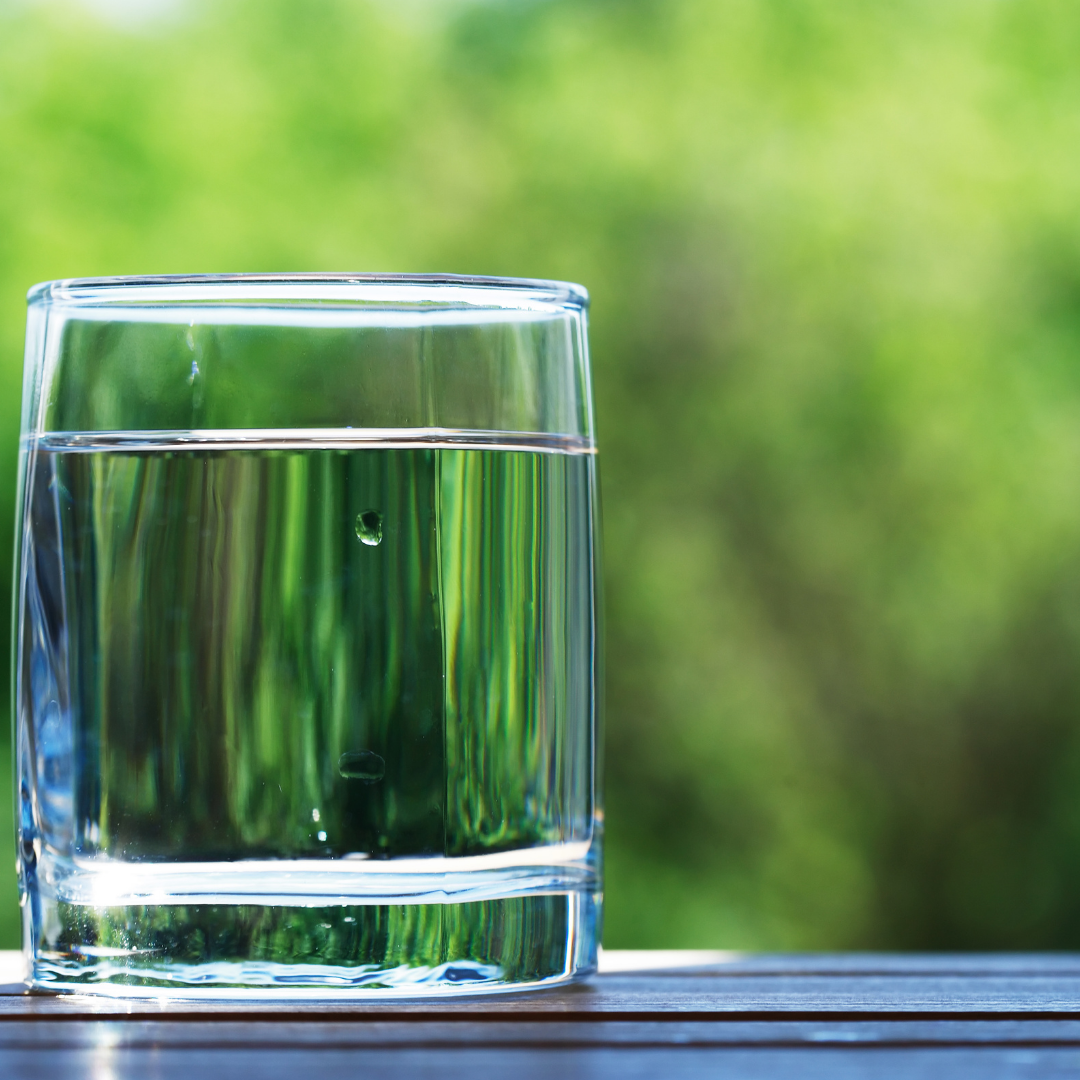
Read MoreSo simple that it’s almost laughable, the act of drinking just a little more water can support your energy and focus and improve your brain fog.
Here are some simple suggestions to make it a habit.
Read MoreYou need to ‘do you’ when it comes to nutrition, but these twelve tips can be really helpful to consider for a perimenopausal woman who wants to support her brain, heart, bone and muscular health as she ages. They can also help manage symptoms of hormone change.
Read MoreThe building blocks of nutrition are simple, but the diet industry would have you think that there’s just one big secret hack you can follow. But when it comes to building positive health in perimenopause there are some questions you need to ask first!
Read MoreSuper simple but worth repeating
Read MoreHabits can help (or hinder) good gut health, good brain health, good heart health, good bone health.
Stressful even, and we know stress is not good for perimenopause symptoms!
However, small steps make a big difference.
Read MoreHere are my top 5 resolutions to support your perimenopause this year. Not just for New Year, but for a long term positive impact on your mid life wellbeing.
Read MoreHer approach was so supportive, never judgemental and I felt Lesley genuinely wanted to help me feel better. I am now on a much clearer path - I am continuing to lose weight, I have far less headaches, my migraines (touch wood) have lessened and I feel well for the 1st time in a long time. I have Lesley to thank for that.
Read MoreYou may have noticed your hangovers get worse as you progress through perimenopause
There are a number of reasons for this, partly to do with ageing and your liver’s ability to metabolize alcohol. Women naturally have a lower tolerance for alcohol metabolisation than men anyway, and this appears to increase as we age.
Read More